Sari Textile Waste: How Companies are Utilising It


A Sari is a draped cloth which can measure between six and eight metres in length from the Indian subcontinent. Traditionally worn by women, these garments are considered formal attire in the countries of the region.
While we have previously spoken about cotton being recycled in the UK by Teemill, other garments might not be so lucky or spoken about. A Sari is made from silk, and are then highly decorated, making them a symbol of expression with their bold colours and patterns. However, 'over 70% of textile waste from India is estimated to be sari material.' Luckily, those that are not continued to be worn are being given a new lease of life, through companies turning these bold garments into jewellery, bags, decoration and more.
Here are a few companies who are giving an extra life to a Sari.
Namaste
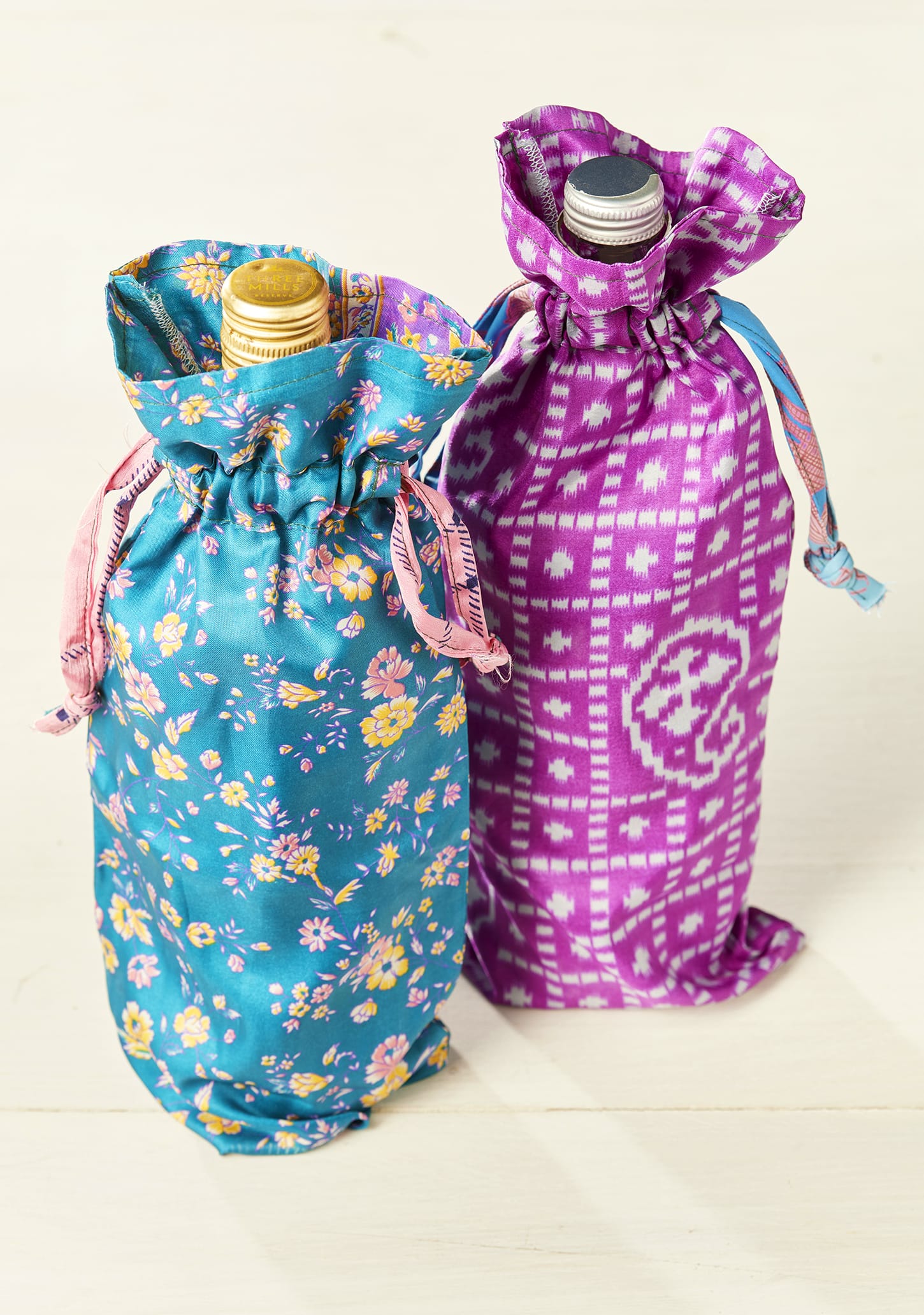
Namaste is a British business run in North Yorkshire, selling items made from felt, sari, jute and more. The items, made in India, are made in a small family business specialising in textiles. Namaste explains that the business is run by a husband and wife team, who also subcontract to disadvantaged groups within their community.
When searching for Sari on their website, 132 items come up, albeit some are not related to a Sari, though they offer tree decorations, curtains, bags, scrunchie, and more all made from the material.
If these are not for you, explore their other items made from wool, mango wood, jute and more.
I was A Sari
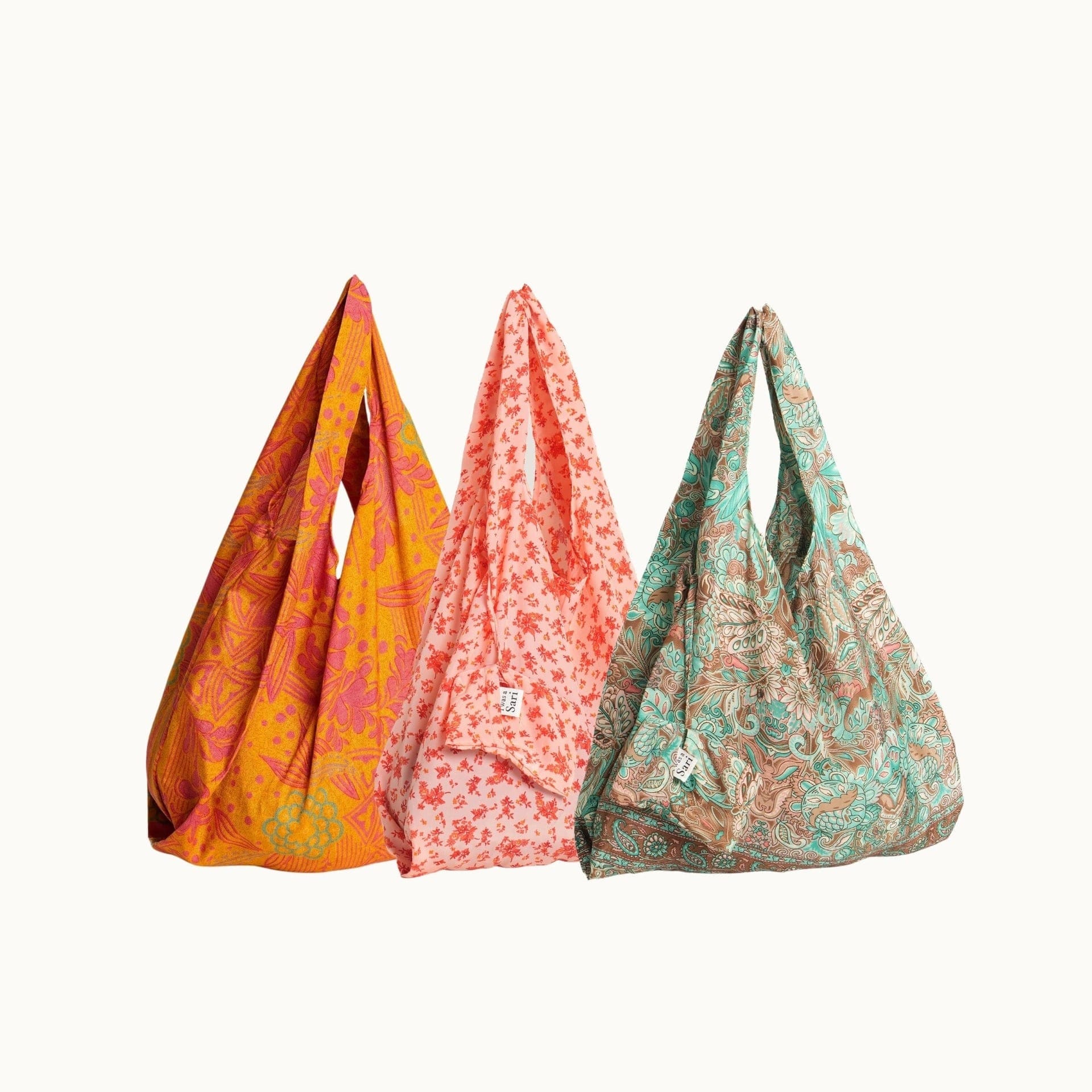
I Was A Sari, operates similar to the previous company, utilising this material similarly. The certified B Corporation states that:
60% | got their first jobs, with us
55% | had just moved to Mumbai from villages
50% | started working after dropping out of school aged 15
40% | care for 3 or more children
The brand creates home ware, clothes, jewellery, and more with a focus on limited run pieces out of the fabric. This helps buyers know exactly what colour and pattern they are getting. I Was A Sari claims that over 2,000,000 m2
of fabric has been repurposed through them.


